
The Therapeutic Role of Tattoos in Emotional Healing
Tattoos have evolved beyond mere aesthetic expressions to become powerful tools for emotional healing. For many individuals, the process of getting a tattoo serves as a form of therapy, helping them cope with trauma, loss, or significant life changes. The act of choosing a design, enduring the physical sensation, and permanently marking the skin can symbolize reclaiming control over one's body and narrative.
Studies have shown that tattoos can aid in reducing symptoms of anxiety and depression by providing a sense of empowerment and self-identity. The permanence of a tattoo can serve as a constant reminder of one's resilience and journey through adversity. For example, survivors of traumatic events often choose symbols that represent their strength and recovery, turning their bodies into canvases of personal triumph.
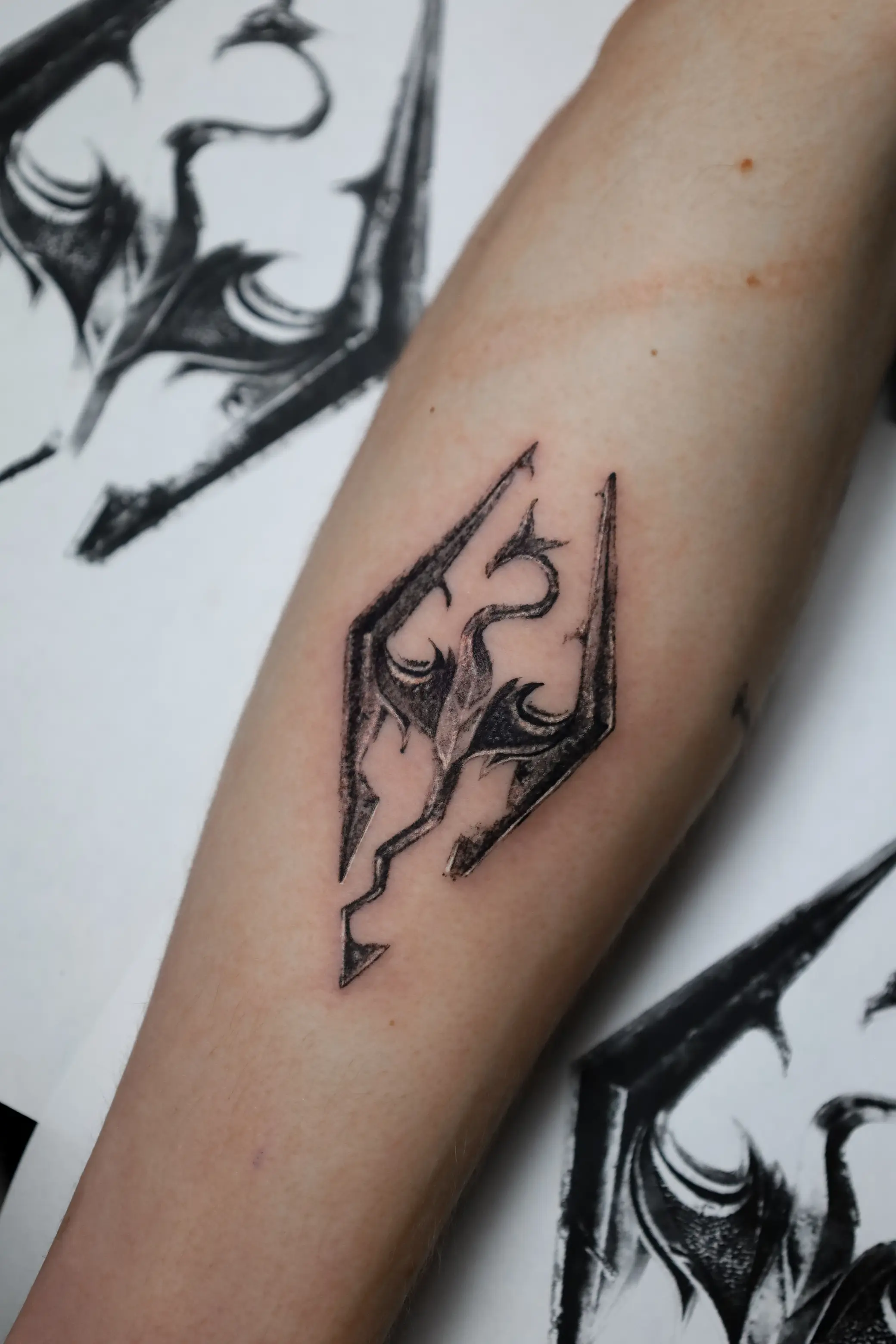

Symbolism and Personal Narratives in Tattoo Therapy
The symbolism embedded in tattoos plays a crucial role in their therapeutic impact. Common motifs such as semicolons, butterflies, and phoenixes are often chosen for their associations with survival, transformation, and rebirth. These symbols can encapsulate complex emotions and experiences, making them accessible and communicable to others.
Personal narratives are deeply intertwined with tattoo choices. Individuals may select designs that commemorate loved ones, signify overcoming personal struggles, or represent milestones in their mental health journey. This personalization fosters a deeper connection between the individual and their tattoo, reinforcing its therapeutic value.
The visibility of these tattoos also can spark conversations, promoting mental health awareness and reducing stigma. By sharing their stories through ink, individuals not only find personal solace but also contribute to a broader dialogue on mental well-being.

Integrating Tattoo Therapy into Mental Health Practices
Recognizing the therapeutic potential of tattoos, some mental health practitioners have begun to integrate tattoo therapy into their practices. This integration involves collaborating with tattoo artists to create designs that align with therapeutic goals, such as processing grief or marking recovery milestones.
Tattoo therapy can complement traditional therapeutic approaches by providing a tangible, creative outlet for expression. It encourages individuals to engage with their healing process actively and can serve as a catalyst for deeper introspection and discussion within therapy sessions.
However, it's essential to approach tattoo therapy thoughtfully. Mental health professionals should assess the individual's readiness and ensure that the decision to get a tattoo is made with intention and understanding of its permanence. When integrated responsibly, tattoo therapy can be a valuable addition to holistic mental health care.