Understanding the Impact of Arizona's Sun on Tattoos
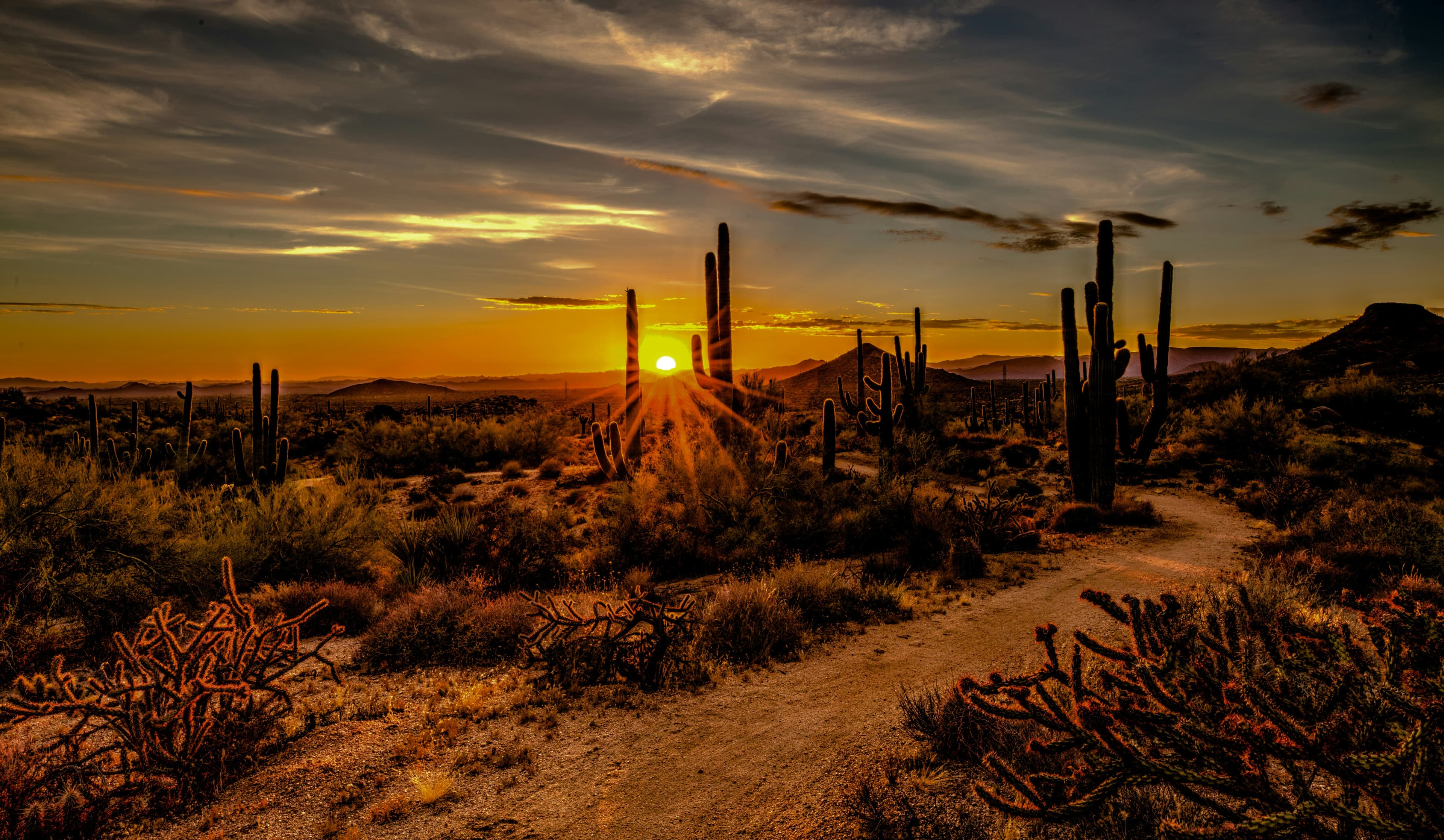
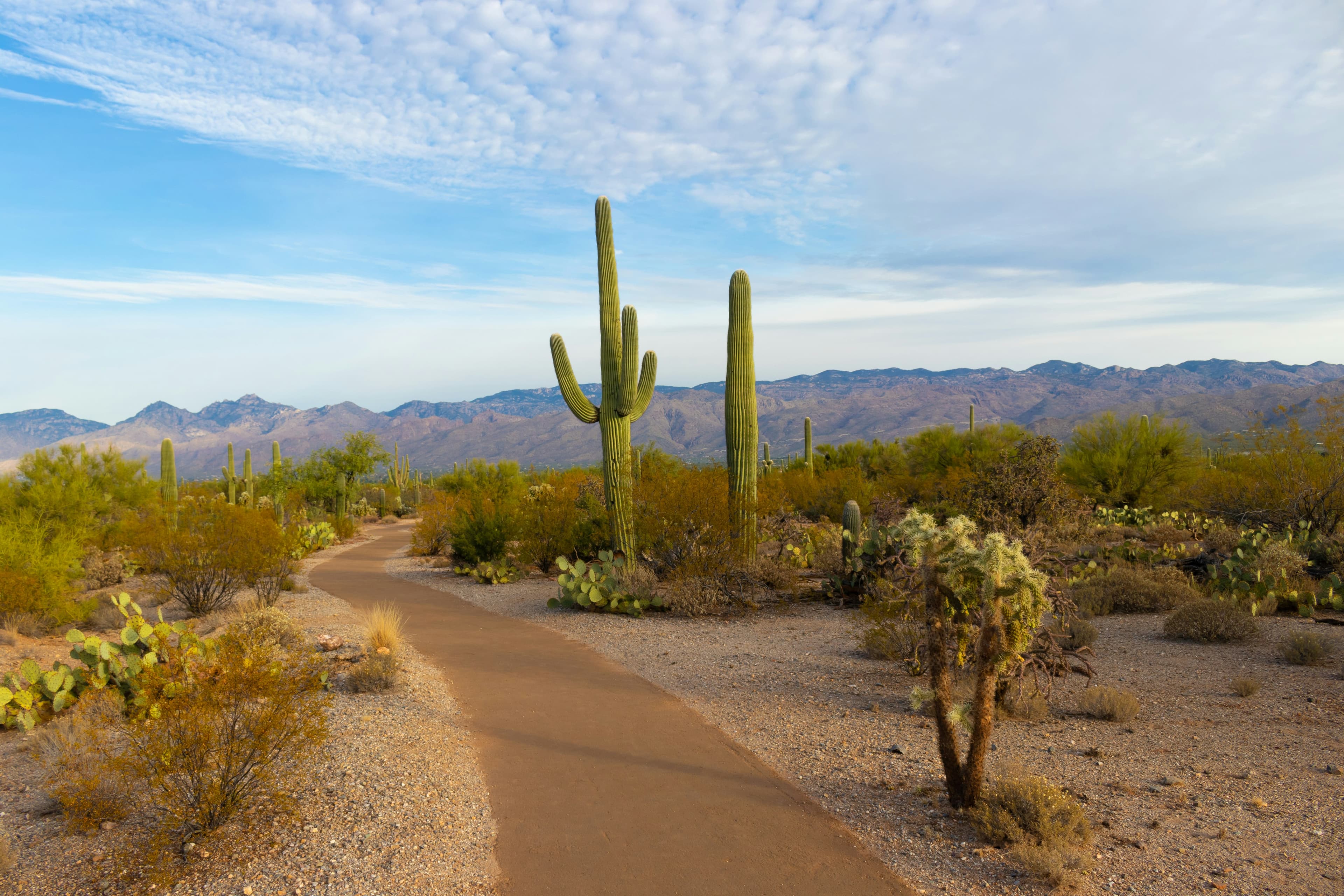
Arizona's climate is characterized by intense sunlight and high temperatures, which can pose significant challenges for tattoo preservation. Ultraviolet (UV) rays penetrate the skin and can break down the ink particles in tattoos, leading to fading, blurring, and discoloration over time. The risk is especially high for new tattoos, as the skin is still healing and more vulnerable to damage.
Fresh tattoos are essentially open wounds and should be kept out of direct sunlight to prevent complications such as sunburn, scarring, and infection. Even healed tattoos are susceptible to the sun's effects, making ongoing protection crucial for maintaining the vibrancy and clarity of your ink.
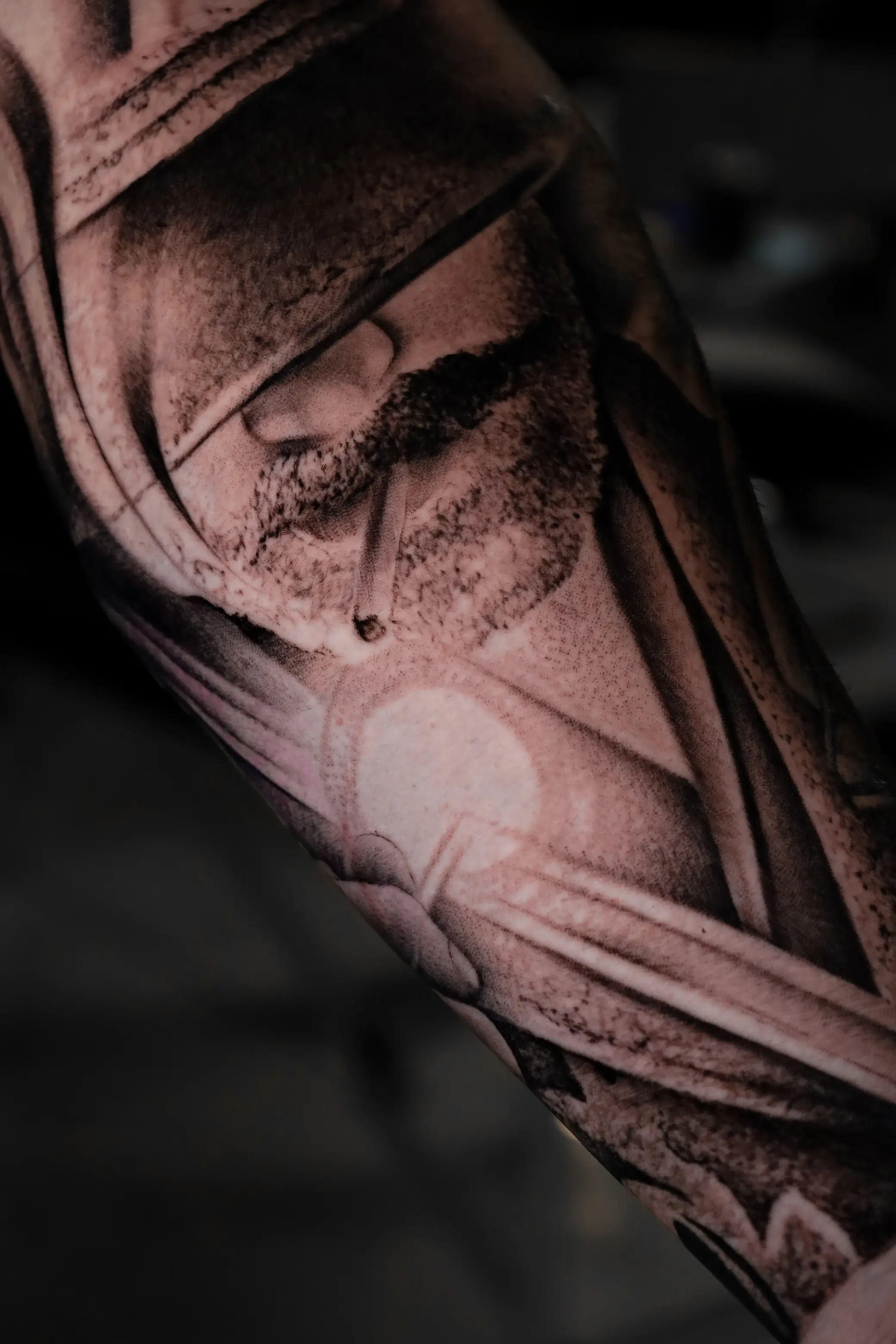
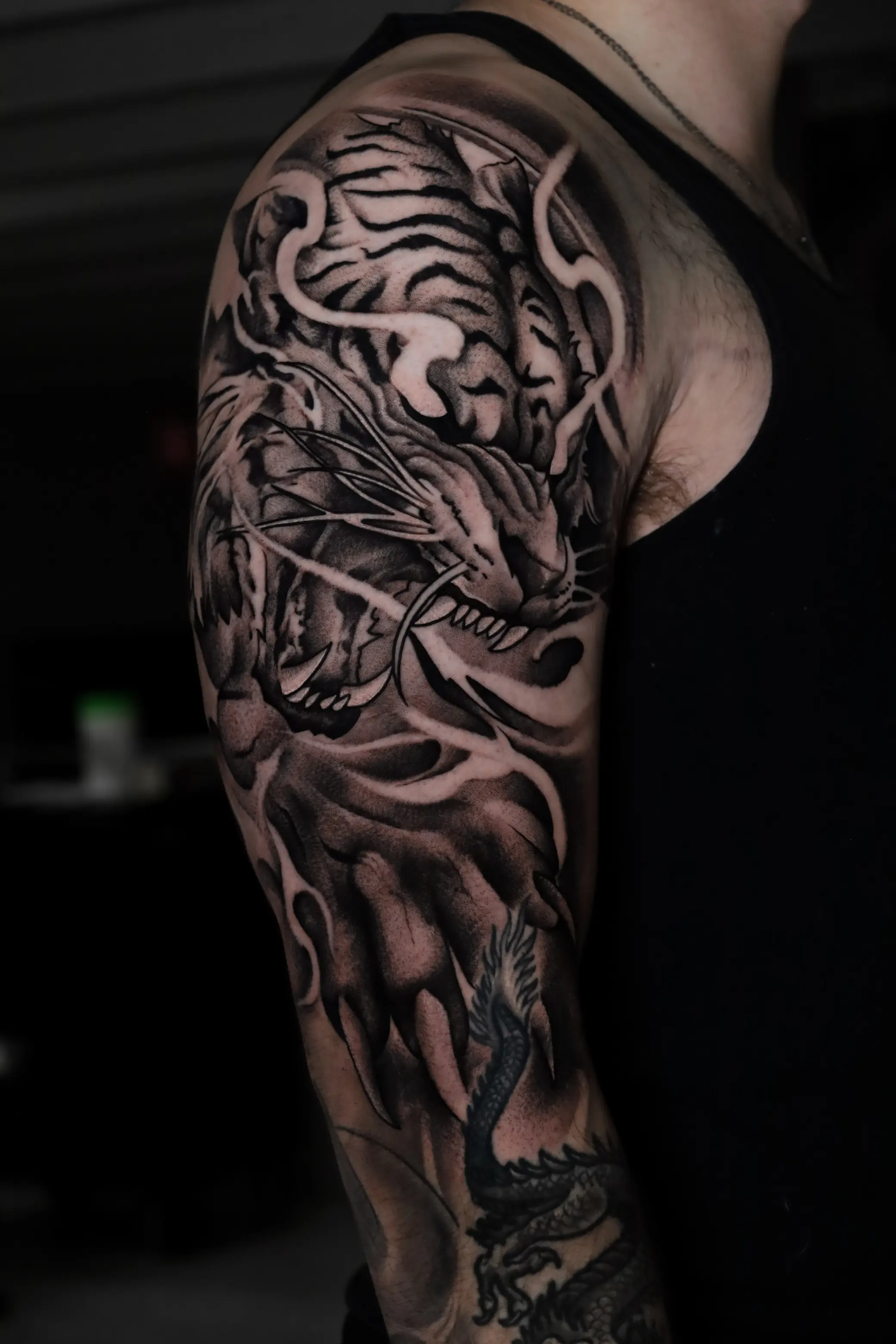
Best Practices for Protecting Your Tattoo in the Desert Climate
To safeguard your tattoo from Arizona's harsh sun, consider the following strategies:
- Avoid Direct Sun Exposure: Keep your tattoo covered with clothing or bandages, especially during peak sunlight hours between 10 a.m. and 4 p.m. This is particularly important during the initial healing phase.
- Wear Protective Clothing: Opt for lightweight, breathable fabrics with a high Ultraviolet Protection Factor (UPF) to shield your tattoo from UV rays without causing overheating.
- Apply Sunscreen to Healed Tattoos: Once your tattoo has fully healed (typically after 2–4 weeks), apply a broad-spectrum sunscreen with at least SPF 30 to the area. Reapply every two hours, or more frequently if sweating or swimming.
- Stay Hydrated: Drinking plenty of water helps maintain skin elasticity and overall health, which in turn supports the longevity of your tattoo.
- Moisturize Regularly: Use a fragrance-free, gentle moisturizer to keep the tattooed skin hydrated, preventing dryness and peeling that can be exacerbated by the desert climate.
Long-Term Care and Maintenance for Your Tattoo
Maintaining the appearance of your tattoo in Arizona's environment requires ongoing care:
- Regular Skin Checks: Monitor your tattoo for any changes in color, texture, or appearance that could indicate sun damage or other issues.
- Touch-Ups as Needed: Consult with your tattoo artist about potential touch-ups to restore any fading or blurring caused by sun exposure.
- Seasonal Considerations: Be extra vigilant during the summer months when UV radiation is at its peak. Consider scheduling new tattoos during cooler seasons to minimize immediate sun exposure during the healing process.
By implementing these protective measures, you can help ensure that your tattoo remains vibrant and well-defined, even under Arizona's challenging sun conditions.